Hidden cameras are no longer the preserve of intelligence agencies or specialist surveillance operators. Today, covert recording devices are inexpensive, widely available online, and easily concealed within everyday objects. Across Malaysia and Southeast Asia, incidents involving hidden cameras in hotels, homestays, changing rooms, offices, and private residences continue to highlight the growing risks to privacy, security, and reputation.
As surveillance technology becomes smaller and more sophisticated, identifying hidden devices without specialist equipment has become increasingly difficult.
Hidden Cameras: A Growing Threat
Recent incidents across the region have involved cameras concealed within smoke detectors, wall sockets, clocks, USB chargers, routers, air purifiers, and other common items. In many cases, victims were unaware they were being recorded until devices were discovered by chance.
The risks extend beyond personal privacy. Hidden cameras may be used for:
The increasing availability of wireless cameras, remote-access devices, and cloud-based recording systems means that surveillance can be conducted discreetly and from virtually anywhere.
Security Breaches Can Occur Anywhere
The discovery of a concealed camera within a government complex in Westminster, London, demonstrated that even highly secured facilities are not immune from covert surveillance threats.
If sophisticated organisations with extensive security measures can be targeted, commercial premises, hotels, boardrooms, and private residences throughout Southeast Asia face an even greater risk.
The question is no longer whether surveillance devices exist, but whether organizations have the capability to detect them.
Why Malaysia and Southeast Asia Are Particularly Vulnerable
Several factors contribute to the growing threat within the region:
Many modern covert devices are designed specifically to avoid casual detection, often appearing identical to ordinary household or office equipment.
How TSCM Inspections Detect Hidden Cameras
Technical Surveillance Countermeasures (TSCM) is the professional process used to identify and locate covert surveillance devices.
A comprehensive TSCM inspection combines both technical and physical examination techniques.
Technical Detection
Specialist equipment is used to identify:
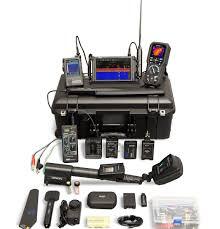
Equipment commonly employed includes RF spectrum analysers, Non-Linear Junction Detectors (NLJD), thermal imaging devices, infrared detection equipment, and other specialist surveillance detection tools.
Physical Inspection
A detailed inspection is conducted of:
Physical inspection remains essential, as many covert devices may not be actively transmitting at the time of examination.
Who Should Consider TSCM Inspections?
TSCM inspections are increasingly being adopted by:
Any organization responsible for protecting confidential information, customer privacy, or sensitive discussions should consider periodic TSCM inspections as part of its broader security programme.
Protecting Privacy, Information and Reputation
The consequences of a hidden camera incident can be severe. Beyond privacy concerns, organisations may face regulatory scrutiny, reputational damage, loss of customer trust, and potential legal liability.
A professional TSCM inspection provides assurance that premises have been examined using recognised methodologies and specialist equipment capable of detecting both active and dormant surveillance devices.
As hidden surveillance technology becomes more accessible and sophisticated, regular TSCM inspections are becoming an essential component of modern security and risk management throughout Malaysia and Southeast Asia.