
Smartphones today hold an enormous amount of personal information. Messages, photos, financial apps, travel records, work files — all of it sits in one place. Because of this, a new type of digital protection has become more common: phones that can erase themselves instantly when a special code is entered.
This feature is designed for situations where someone is pressured to unlock their device. It’s meant to give users a way to protect their data quickly and quietly.
What Is a Self Wipe Feature?
A self wipe function is simple:
- You set a normal unlock code.
- You set a second “duress” code.
- If you enter the duress code, the phone immediately erases all data.
- To anyone watching, it appears as though you simply unlocked the device.
There are no warnings or extra steps. The process is meant to be fast and discreet.
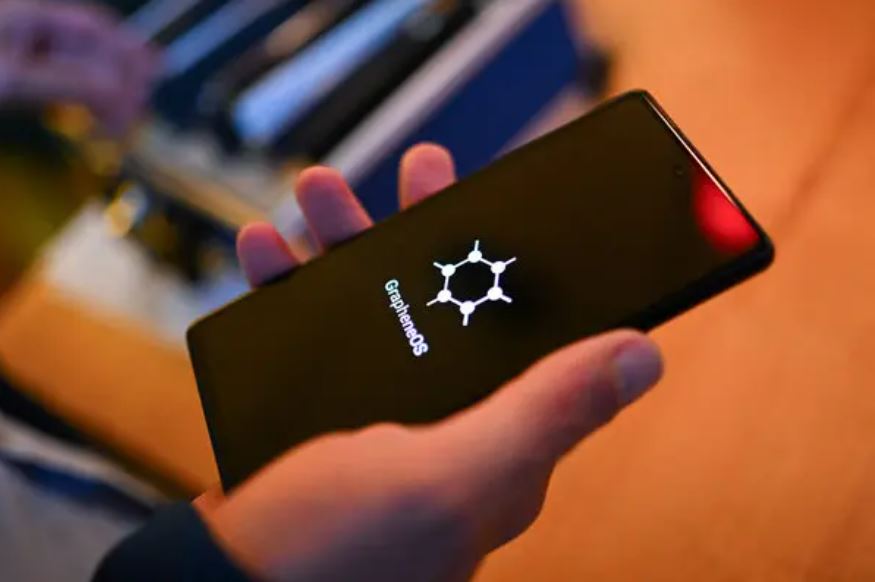
This feature appears in certain privacy focused operating systems and apps, and it’s becoming more widely discussed as digital privacy becomes a mainstream concern.
Why People Use It
A self wipe option is not about secrecy — it’s about personal safety and control.
People choose it for several reasons:
- Travel in places where device searches are common
- Personal safety in situations involving coercion
- Professional protection for sensitive work
- General privacy for those who prefer strong safeguards
The idea is to give users a way to protect their information if they cannot safely refuse an unlock request.
The U.S. Airport Example
In 2025, a traveller arriving at Atlanta’s international airport was asked by U.S. Customs and Border Protection to unlock his phone. When he entered a code, the device wiped itself — exactly how a duress feature is designed to work.
This led to legal charges, and the case drew attention because it highlighted how modern privacy tools can behave in unexpected ways during official inspections. It also raised questions about how digital privacy features fit into existing laws.
The case did not revolve around the technology itself, but it showed how self wipe functions can become relevant in real world situations, especially at borders where device searches are more common.
A Growing Part of Digital Privacy
The airport incident brought wider awareness to a trend that was already developing: people want stronger control over their digital information. As phones continue to store more personal data, features like duress codes and emergency wipes are becoming part of the broader conversation about privacy.
Other privacy focused operating systems and apps offer similar ideas, such as:
- Automatic wiping after repeated incorrect passcodes
- Hidden profiles that disappear under pressure
- Wiping triggered by tampering or unusual activity
These tools are designed to help users manage their data responsibly and safely.
Understanding the Purpose
Self wiping features are not meant to be dramatic. They are simply another layer of protection in a world where digital information is deeply personal. For many people, the ability to erase a device quickly is reassuring — a way to stay in control during uncertain or stressful moments.
As technology evolves, these features are likely to become more common, more refined, and more widely understood.