
A single online post can reach thousands of people within hours. Whether it’s a false allegation on Facebook, a damaging Google review, an anonymous forum post, or a coordinated social media campaign, the impact on individuals and businesses can be significant.
We regularly see cases involving:
- False accusations against businesses.
- Fake or misleading online reviews.
- Anonymous social media attacks.
- Harassment through messaging platforms.
- Publication of private information.
- Online campaigns targeting company directors, employees, or individuals.
While not every negative comment is unlawful, there is a point where online behaviour can cross the line from criticism into harassment, intimidation, or the deliberate spread of false information.
Common Forms of Online Harassment
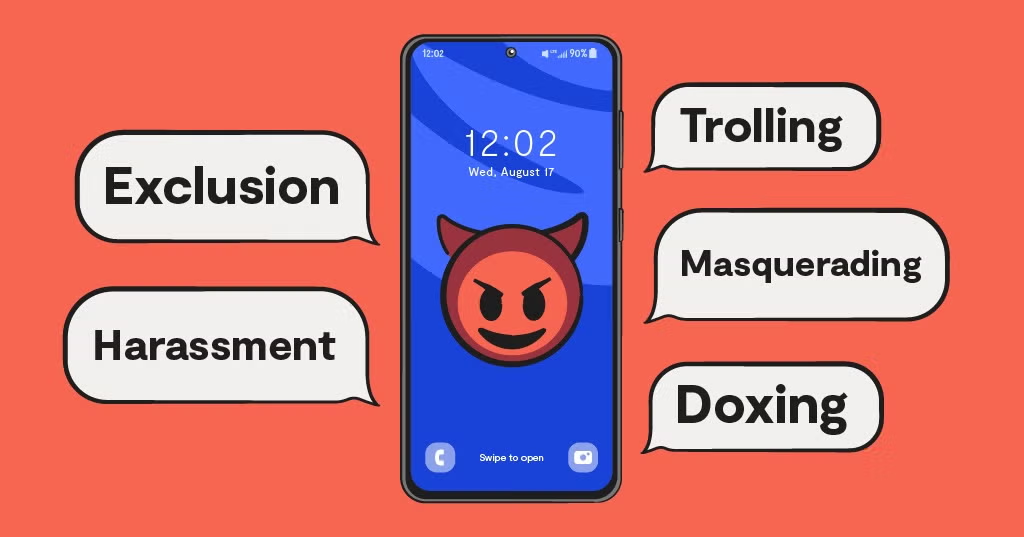
Online harassment comes in many forms, including:
- Repeated abusive messages.
- Threatening communications.
- False allegations presented as fact.
- Fake customer complaints.
- Publication of personal information (doxxing).
- Anonymous attacks through forums and social media.
- Coordinated efforts to damage a person’s or company’s reputation.
In many cases, the objective is simple: cause embarrassment, create distress, or damage a reputation.
False Posts Can Have Real Consequences
A false online post can have serious consequences for both individuals and businesses.
For businesses, false allegations can result in:

- Lost customers.
- Damaged relationships with suppliers.
- Reduced staff morale.
- Harm to brand reputation.
- Financial losses.
For individuals, the consequences may include:
- Emotional distress.
- Damage to professional reputation.
- Workplace difficulties.
- Safety concerns where personal information has been published online.
The challenge is that online content can spread quickly and remain accessible long after the original post is made.
Legal Protections in Singapore
Singapore’s Protection from Harassment Act (POHA) was introduced to address both physical and online harassment.
POHA covers a range of conduct including:
Harassment and Abusive Communications
The use of threatening, abusive, or insulting words intended to cause distress or alarm.
Online Stalking
Repeated unwanted contact, monitoring, or communications directed at an individual.
Doxxing
Publishing a person’s telephone number, address, workplace details, or other personal information with the intention of causing harassment or distress.
Threats and Intimidation
Communications designed to threaten, frighten, or provoke violence.
Victims can apply to Singapore’s Protection from Harassment Court for remedies including Protection Orders, expedited court orders, removal of offending content, and claims for damages.
Legal Protections in Malaysia
Malaysia has also strengthened its response to online harassment and harmful digital content.
Several laws may apply depending on the circumstances.
Online Safety Act 2025
The Online Safety Act places obligations on major social media and messaging platforms to address harmful online content, including cyberbullying, harassment, and content designed to cause distress.
Communications and Multimedia Act 1998
The Communications and Multimedia Act addresses the use of network services to transmit false, offensive, threatening, or harassing content.
This legislation is frequently referred to in cases involving social media posts, online abuse, and harmful digital communications.
Penal Code Provisions
Recent amendments have introduced stronger protections against stalking, cyberbullying, and threatening behaviour, whether occurring in person or online.
The Importance of Evidence
One of the biggest mistakes victims make is waiting too long before preserving evidence.
Online posts can be edited, deleted, or hidden at any time.
Useful evidence may include:
- Screenshots.
- URLs and web links.
- User profiles and usernames.
- Dates and timestamps.
- Emails and messages.
- Records of any impact on business operations.
The earlier evidence is preserved, the easier it is to assess available options.
Can Anonymous Posters Be Identified?
Many people assume that anonymous accounts cannot be traced. While this is sometimes true, it is not always the case.
Investigations may help identify:
- Links between multiple online accounts.
- Connections to known individuals.
- Patterns of online activity.
- Sources of false information.
- Individuals involved in coordinated campaigns.
The objective is often not only to understand who is responsible, but also to preserve information that may later support legal action.
Conclusion
Online harassment and false online allegations are becoming increasingly common across social media platforms, review websites, forums, and messaging applications.
Whether you are an individual facing targeted abuse or a business dealing with false and damaging online content, early action is important. Preserving evidence, understanding your legal options, and investigating the source of harmful content can often make a significant difference in limiting further damage.
In both Singapore and Malaysia, legal frameworks now provide a range of remedies against online harassment, cyberbullying, doxxing, and other forms of harmful online conduct. The key is acting quickly before the evidence, and sometimes the perpetrators, disappear.
Source:
https://www.mlaw.gov.sg/the-online-safety-commission-begins-operations-on-29-june-2026