
In January 2026, the Malaysian Anti-Corruption Commission (MACC) intensified a nationwide investigation into illegal electronic waste (e-waste) imports, following intelligence that 2,000 to 3,000 containers may have been smuggled into Malaysia through major ports, including Port Klang and other key entry points.
The investigation triggered coordinated raids in Selangor and Negeri Sembilan, focusing on premises suspected of illegally processing imported e-waste. These facilities were believed to have operated for several years, dismantling hazardous materials despite Malaysia’s environmental regulations and waste-management requirements.
Investigative findings indicate that e-waste commonly entered Malaysia under false customs declarations, often labelled as plastic scrap, paper waste, or recyclable materials. After clearing port inspections, containers were transported inland to processing sites where valuable components such as copper, alloys, and precious metals were extracted. The remaining waste was disposed of through open burning, burial, or dumping, contributing to pollution of air, soil, and water sources.
Between 2022 and 2025, enforcement agencies detected more than 700 containers attempting to enter Malaysia illegally, with each container estimated to carry approximately 20 metric tonnes of e-waste. Investigators believe this represents only a portion of the total volume involved, based on discrepancies between shipping data, port throughput, and on-ground findings uncovered during raids.
As part of the MACC investigation, authorities carried out arrests and seized over RM7 million, while identifying multiple locally registered companies believed to have facilitated or benefited from e-waste fraud activities over a five-year period. Ongoing investigations are examining company ownership structures, financial transactions, and the role of intermediaries used to obscure control and responsibility.
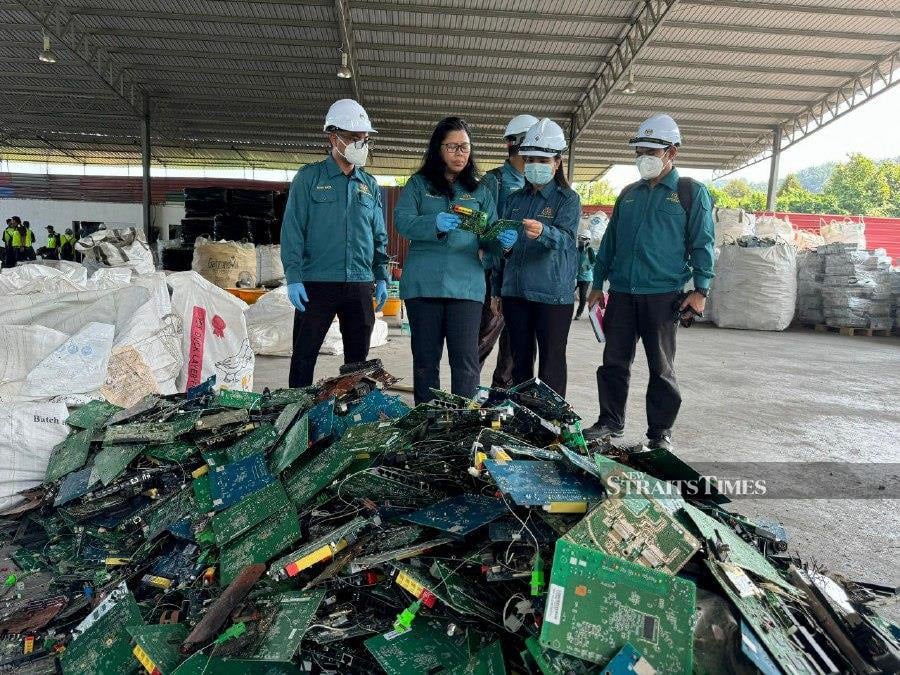
Copyright – New Straits Times
The scope of the investigation extended beyond processing facilities to include port clearance procedures, importer records, and consignee information, focusing on how repeated shipments were able to pass through Malaysia’s entry points. Smuggling syndicates are believed to have relied on shell companies, recycled importer identities, and mixed cargo packing to reduce inspection risk.
Enforcement follow-up actions included the return of hundreds of containers to their countries of origin, in line with Malaysia’s obligations under international hazardous waste controls. However, waste that had already been processed or disposed of locally remains a significant environmental concern.
To address the scale of the problem, MACC is working through a multi-agency task force involving customs, environmental regulators, and law enforcement bodies to strengthen inspections, improve intelligence sharing, and close regulatory gaps exploited by organised e-waste smuggling networks.
The January operations underline that illegal e-waste activity in Malaysia is organised, persistent, and financially motivated, requiring sustained, intelligence-led investigations rather than isolated enforcement actions. The outcome of these probes is expected to influence future approaches to tackling e-waste fraud, corruption risk, and cross-border environmental crime in Malaysia.