
A recent controversy involving alleged fake aesthetic training programmes in Malaysia has once again highlighted the growing problem of forged certificates and the unauthorised use of university names and logos.
In a public statement, Universiti Malaya denied any involvement in aesthetic-related courses that were allegedly marketed using the university’s name, logo, and purported certifications. The university confirmed that checks conducted internally found the certificates to be fake and unauthorised.
The issue has raised wider concerns about how easily academic identities, qualifications, and institutional reputations can be exploited — particularly in industries where consumers may not fully understand accreditation requirements.
The Power of a University Name
Recognised universities carry strong public trust.
When a course brochure displays a respected institution’s logo or references affiliations with “professors”, “masters programmes”, or international certifications, many people naturally assume legitimacy.
Fraudsters understand this well.
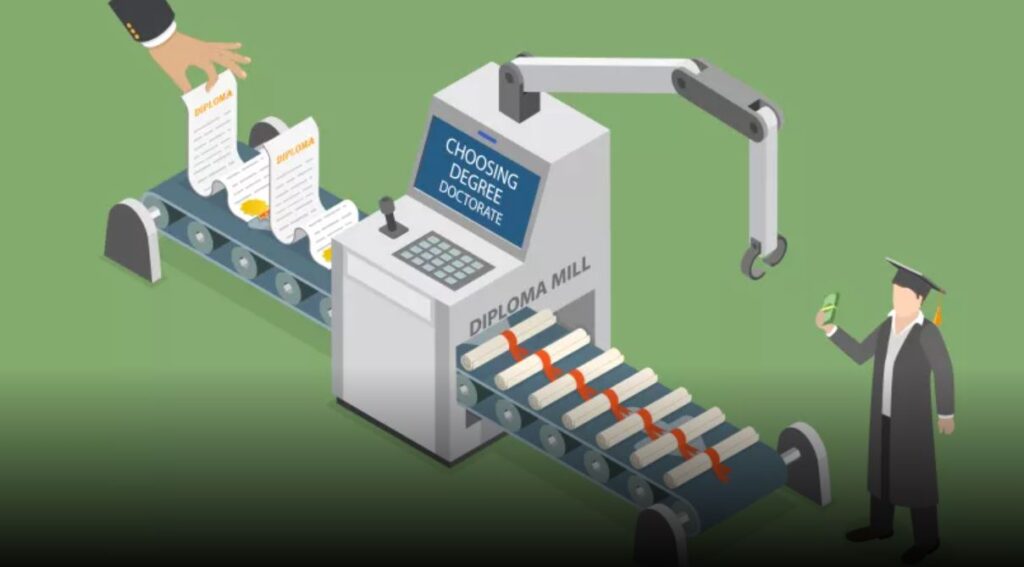
By attaching respected university branding to questionable programmes, operators can:
- Create instant credibility
- Justify high course fees
- Attract foreign students or professionals
- Avoid scrutiny during recruitment
- Convince victims to invest substantial sums of money
In the reported case, victims allegedly paid more than RM100,000 after believing they were enrolling in legitimate aesthetic programmes linked to recognised academic institutions.
Some participants reportedly even received student cards and certificates carrying university branding.
Fake Certificates Are Becoming More Sophisticated
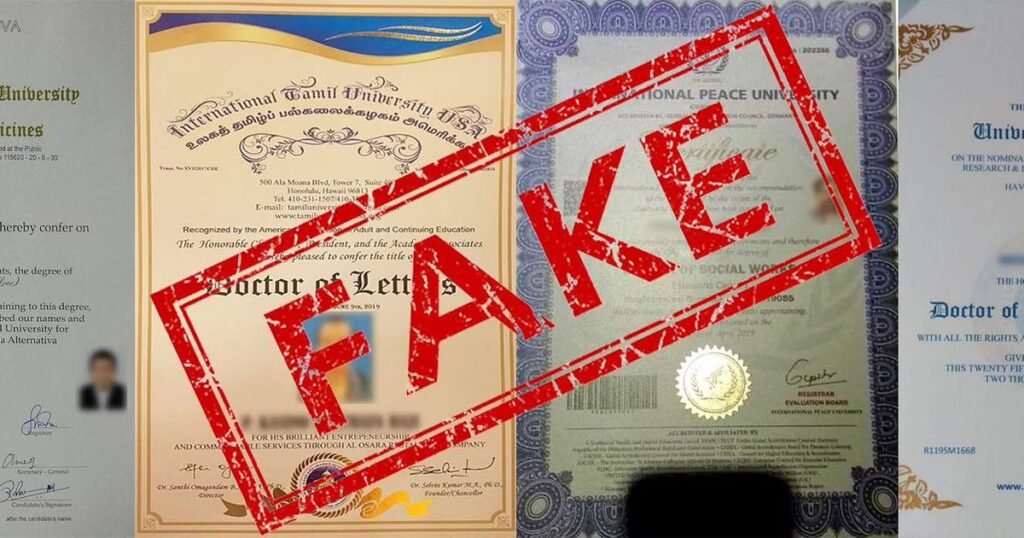
Modern fake certificates are no longer simple low-quality printouts.
Today, forged qualifications may include:
- Replicated university logos
- QR codes
- Digital signatures
- Watermarks
- Serial numbers
- Professional seals
- Convincing transcripts and student IDs
In Southeast Asia, the growth of online learning and digital certification has made document verification even more challenging.
A professionally designed PDF can appear highly convincing to employers, clients, regulators, and even students themselves.
In many cases, victims only discover problems after:
- Applying for jobs
- Seeking professional licences
- Attempting to open businesses
- Facing regulatory inspections
- Being investigated after complaints
Misuse of Academic Titles
The misuse of titles such as “Professor”, “Doctor”, or “Specialist” is another recurring issue.
Many members of the public may not verify:
- Whether the individual actually holds the claimed qualification
- Whether the institution exists
- Whether the course is accredited
- Whether the certification is recognised by regulators
This becomes particularly dangerous in sectors involving public safety, healthcare, finance, engineering, or professional licensing.
In the aesthetic and cosmetic treatment sector, the risks become even more serious when unqualified individuals perform invasive medical procedures on members of the public.
Why Businesses Should Care
Fake qualifications are not just a problem for students.
Employers across Malaysia and Southeast Asia increasingly face risks involving:
- Employees using fake degrees
- Forged professional licence
- False employment histories
- Fabricated technical certifications
- Misrepresented specialist training
- Unverified overseas qualifications
Some individuals may also misuse university branding in:
- Tender submissions
- Corporate presentations
- Business proposals
- Immigration applications
- Professional association memberships
This creates reputational, legal, compliance, and operational risks for organisations.
The Importance of Verification
The case serves as a reminder that university names and logos should never be accepted at face value.
Basic verification steps can significantly reduce exposure:
- Verify courses directly with the institution
- Check accreditation status with regulators
- Review official student records where possible
- Conduct independent background screening
- Examine inconsistencies in certificates and transcripts
- Confirm professional memberships and licences
Organisations should also be cautious when reviewing digital documents, particularly those submitted electronically without independent validation.
A Wider Regional Problem
The issue is not unique to Malaysia.
Across Southeast Asia, fake certificates and unlicensed training programmes continue to appear in industries such as:
- Healthcare
- Aesthetic
- Aviation
- Oil and gas
- Engineering
- Financial services
- Security services
- Education and training
The combination of social media marketing, online payments, and sophisticated document editing tools has made these schemes easier to operate and harder to detect.
Reputation Can Be Exploited in Minutes
For universities and legitimate institutions, misuse of logos and branding can quickly damage public trust.
A single fake certificate circulating online may create confusion among:
- Students
- Employers
- Regulators
- Clients
- International partners
As digital fraud continues to evolve, institutions and businesses alike will need stronger verification procedures, faster response mechanisms, and greater public awareness to reduce the risks associated with fake qualifications and unauthorised use of academic identities.