
When UK regulators stormed a warehouse in Northamptonshire in late 2025, they expected to find illegal medicines. What they actually uncovered was something far more alarming: a full-scale underground manufacturing site producing thousands of injectable weight‑loss jabs under the brand name Alluvi Healthcare.
The Medicines and Healthcare products Regulatory Agency (MHRA) called the operation “large” and “sophisticated”, and it quickly became clear that this wasn’t a simple case of fake packaging or relabelled products. It was a criminal manufacturing line, complete with raw ingredients, pre-filled pens, and branded boxes ready for distribution.
This UK case matters because it mirrors patterns already seen across Southeast Asia, including Malaysia—where counterfeit pharmaceuticals are increasingly sold through online channels that look legitimate at first glance.
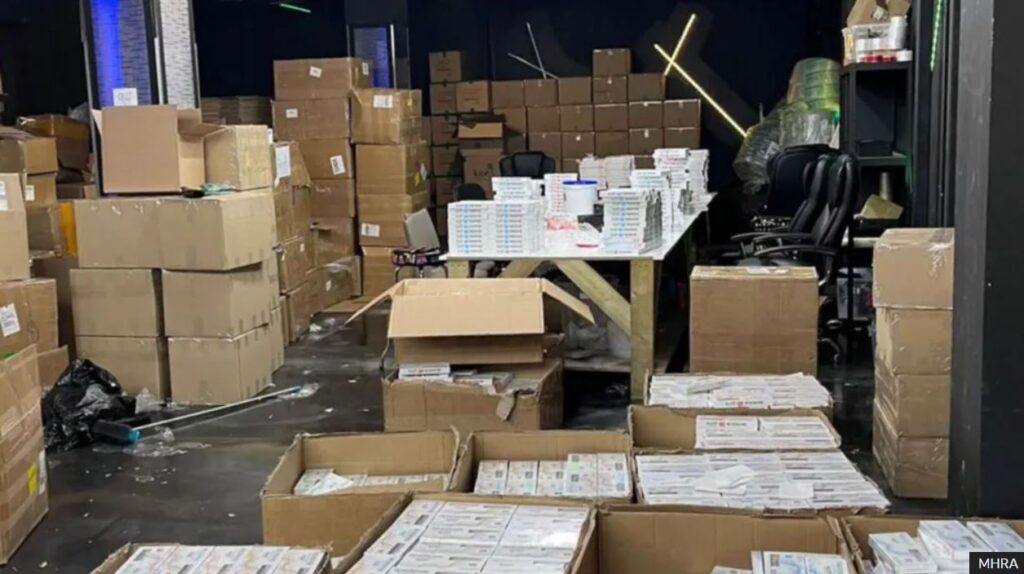
https://www.bbc.com/news/articles/c9dneydj3ewo
Alluvi: A Brand Built for Online Sales
One of the most striking parts of the UK investigation was the digital footprint of Alluvi Healthcare. Even after the raids, the brand continued to appear across:
- Multiple websites hosted overseas
- Telegram channels with more than 14,000 subscribers
- Social media accounts promoting “research formulas”
- Online stores offering 25% discounts and video guides
- Payment options including bank transfer, PayPal, and cryptocurrency
The BBC even attempted a test purchase from an Alluvi-linked website. The payment went through. The jab never arrived.
This is exactly how modern counterfeit pharmaceutical networks operate: slick branding, professional-looking websites, aggressive online marketing, and anonymous operators behind the scenes.
Why This UK Case Matters for Malaysia and Southeast Asia
Although the Alluvi operation was discovered in Britain, the model is familiar across Southeast Asia:
- Online-first distribution
Malaysia has seen a surge in online sellers offering:
- Slimming injections
- Diabetes medications
- Cosmetic fillers
- “Generic” weight-loss pens
Many use Telegram, TikTok, Shopee, or WhatsApp—just like Alluvi.
- Attractive pricing
Legitimate weight-loss jabs like Mounjaro can cost RM 800–1,500 per month. Illicit versions are often sold for a fraction of the price, making them tempting for consumers.
- Anonymous operators
Alluvi’s websites hid ownership details. Many Southeast Asian sellers do the same, using offshore hosting and crypto payments.
- Raw ingredients imported, final product made locally
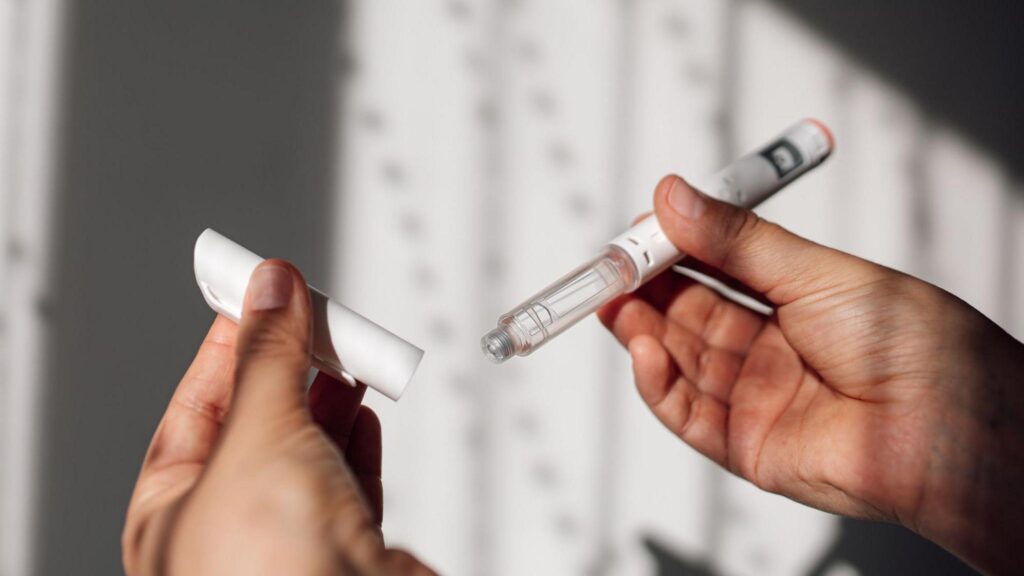
The MHRA believes the UK criminals imported raw tirzepatide and mixed it into injectable pens themselves. This mirrors cases in Malaysia where raw pharmaceutical ingredients are smuggled in and repackaged in unlicensed facilities.
The Risks Are Real
Doctors warn that counterfeit injectables can contain:
- Wrong or dangerous ingredients
- Contaminated solutions
- Incorrect dosages
- Needles that break or snap
- Substances toxic to the liver or kidneys
As one UK doctor said, “Sometimes they will be getting something that’s not what it says on the tin.”
Malaysia has seen similar incidents involving unlicensed beauty salons offering slimming injections or fillers that caused infections, scarring, or worse.
Organised Crime Is Behind These Operations
The MHRA confirmed that the Alluvi raids were part of an investigation into an organised criminal network. Malaysia’s enforcement agencies have reported the same pattern:
- Syndicates importing raw ingredients
- Local “labs” mixing or repackaging products
- Online distribution through Telegram and social media
- Payments via crypto
- Fake branding and professional packaging
The Alluvi case simply shows how advanced these networks can become.
What Southeast Asia Can Learn from the UK Evidence
- Counterfeit drug operations can look professional
The Alluvi warehouse had proper packaging, branding, and distribution systems.
- Online enforcement alone is not enough
The MHRA removed 400 websites and posts, but new ones appeared quickly.
- Consumers underestimate the risks
Cheap injectables are appealing—but dangerous.
- Cross-border cooperation is essential
Malaysia, Singapore, Thailand, and Indonesia face similar threats and need shared intelligence.
Conclusion
The UK’s Alluvi raids reveal how counterfeit pharmaceutical networks operate today: online-first, professionally branded, and run by organised crime.
Malaysia and Southeast Asia face the same vulnerabilities—high demand, online marketplaces, and easy access to raw ingredients. The UK evidence is a warning: counterfeit drugs are becoming more sophisticated, more accessible, and more dangerous.
The Alluvi case shows that what looks like a legitimate online brand can actually be a criminal operation hiding behind slick websites and social media marketing. And unless enforcement and public awareness improve, similar networks will continue to grow across the region.