
Passwords may finally be on their way out. Around the world, cybersecurity experts are pushing for a new way to log in—one that is both safer and easier to use. Organisations like the National Cyber Security Centre, part of GCHQ in UK, have made it clear: passwords are no longer strong enough to protect us in today’s digital world.
So what’s replacing them? The answer is something called PASSKEYS.
WHAT EXACTLY IS A PASSKEY?
A passkey lets you log in without typing a password. Instead, it uses your device—like your phone or laptop—to confirm your identity. You simply unlock it the same way you normally would, using your fingerprint, face scan, or PIN.
Behind the scenes, a passkey works using two digital “keys.” One is stored safely on your device, and the other is kept by the website or app you’re using. When you log in, these keys match up to confirm it’s really you. There’s no password involved at all.
WHY PASSWORDS ARE A PROBLEM
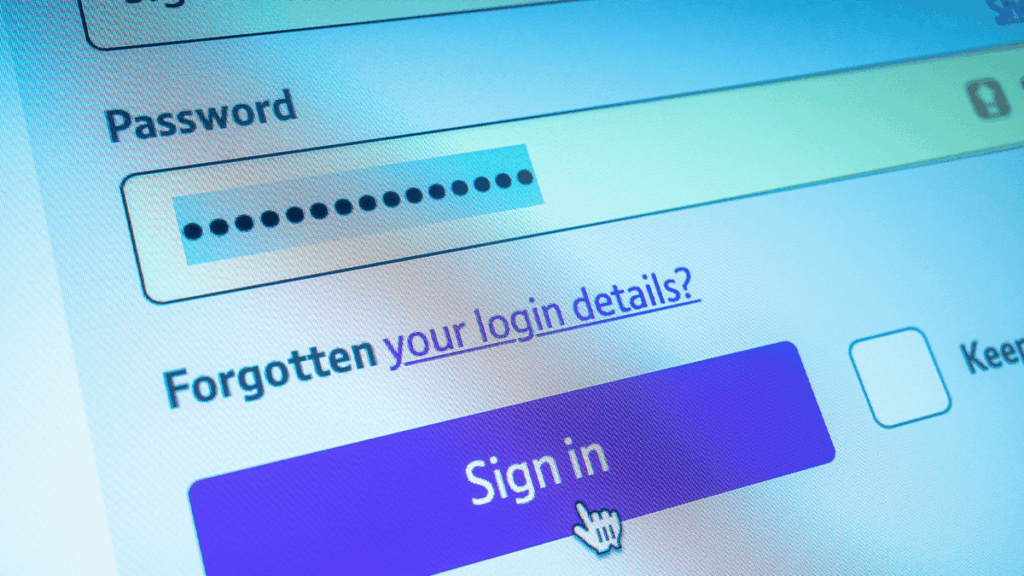
Most people already know the struggle with passwords. We reuse them, forget them, or create ones that are too simple. That makes it easy for hackers to break in—especially if one account gets leaked and the same password is used elsewhere.
In Malaysia and across Southeast Asia, scams like phishing are very common. You might receive a fake message or email asking you to log in to a website that looks real. Once you enter your password, it’s stolen.
Passkeys solve this problem. They only work with real, trusted websites. Even if you click on a fake link, your device won’t share the passkey. There’s nothing for scammers to steal.
FASTER AND EASIER TO USE
Passkeys don’t just improve security—they also make life easier. There’s nothing to remember, no codes to type in, and no need to reset forgotten passwords.
Logging in becomes as simple as unlocking your phone. It usually takes just a few seconds, compared to the longer process of entering a password and waiting for a one-time code.
For businesses in Southeast Asia—especially in mobile-heavy markets like Malaysia, Indonesia, and Thailand—this can improve customer experience. People are more likely to stay on an app or website if logging in is quick and hassle-free.
ARE THERE ANY DOWNSIDES?
The main concern is what happens if you lose your device. Since your passkey is stored on it, getting back into your accounts can be more complicated.
However, many systems now allow passkeys to be backed up in the cloud through providers like Apple or Google. This means you can still recover your accounts using another trusted device.
You can also store passkeys in password manager apps, which adds another layer of backup and security.
WHAT THIS MEANS FOR YOU
Passkeys are still being rolled out, but they are quickly becoming the new standard. Many major apps and services already support them, and more are expected to follow.
For everyday users in Malaysia and the wider region, this shift could mean fewer scams, less frustration, and better protection online.
Passwords won’t disappear overnight—but their days are clearly numbered. As passkeys become more common, logging in could soon be as simple as unlocking your phone—and a lot safer too.
End