
When Competitors Watch Too Closely: The Growing Risk of Corporate Surveillance in Southeast Asia
A recent football controversy in the UK has highlighted a problem that extends far beyond sports: outsiders secretly gathering intelligence on competitors.
The incident involved allegations that a football club staff member of Premier League team Southampton was caught filming rival team Middlesborough’s private training session ahead of a major match. While the case has caused chaos in the sporting world, the underlying issue is highly relevant to businesses across Malaysia and Southeast Asia.
In today’s competitive environment, companies are increasingly vulnerable to covert intelligence gathering, surveillance, and information leakage by competitors, former employees, contractors, or even business partners.
What happens in football dressing rooms can also happen in boardrooms, factories, warehouses, and offices.
Commercial Secrets Are More Exposed Than Many Companies Realise
Many organisations assume corporate espionage only affects large multinational companies or technology firms. In reality, medium-sized businesses are often easier targets because they typically have weaker security controls and less awareness of surveillance risks.
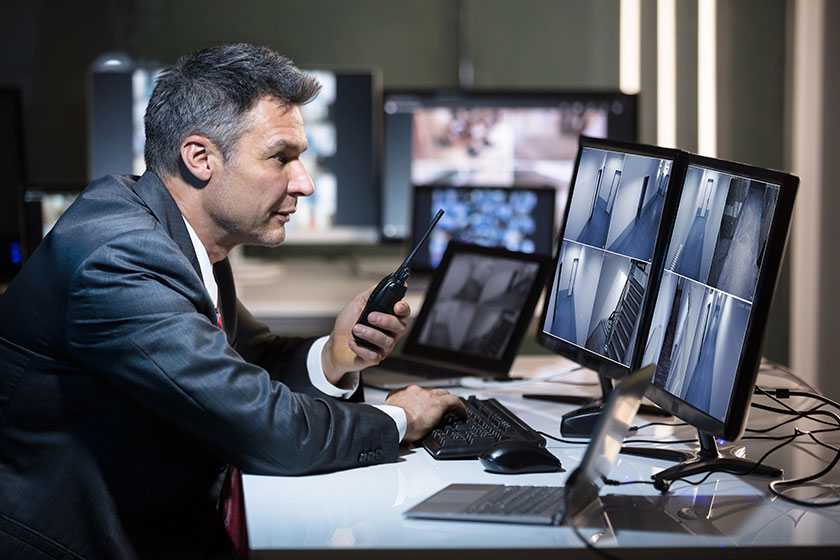
Across Southeast Asia, sensitive information can be exposed through surprisingly simple methods:
- Individuals observing operations from nearby premises
- Competitors photographing logistics or inventory movements
- Outsiders monitoring customer traffic and supplier deliveries
- Employees leaking pricing information or tender details
- Contractors quietly collecting operational intelligence
- Drone surveillance over industrial sites
- Hidden recording devices during meetings or presentations
- Social engineering through casual networking or LinkedIn connections
In many cases, the information gathered may appear harmless individually. However, when pieced together over time, it can reveal a company’s supply chain, client base, expansion plans, pricing strategy, or operational weaknesses.
Why Southeast Asia Faces Higher Exposure
Malaysia and neighbouring countries remain highly relationship-driven business environments where access is often informal and security procedures can be inconsistent.
Industrial parks, mixed-use commercial buildings, co-working spaces, and shared warehouses create opportunities for outsiders to quietly observe business activities without attracting attention.
Certain industries face particularly high exposure, including:

- Manufacturing
- Logistics and shipping
- Technology and semiconductor sectors
- Pharmaceuticals
- Luxury goods distribution
- Food and beverage supply chains
- Construction and infrastructure
- Oil and gas support services
The rise of cross-border trade and regional supply chains also means sensitive information frequently moves between multiple countries, vendors, and third parties with varying security standards.
The Human Factor Remains the Biggest Weakness
Most commercial intelligence leaks do not involve sophisticated hacking. Instead, they often come from human behaviour.
Employees discussing confidential matters in public places, unsecured WhatsApp groups, poorly controlled visitor access, or former staff maintaining relationships with current employees can all expose valuable intelligence.
In Southeast Asia, relationship networks can sometimes blur professional boundaries. A competitor may not directly conduct surveillance themselves but instead rely on suppliers, contractors, or mutual contacts to quietly gather information.
This makes detection significantly harder.
Surveillance Is No Longer Just Physical
Modern commercial surveillance now combines physical observation with digital intelligence gathering.

A company may unknowingly expose sensitive information through:
- Social media posts
- Recruitment advertisements
- Online shipment records
- Public tender documents
- Employee LinkedIn updates
- Photos taken at company events
- Metadata attached to uploaded documents
Even simple details such as sudden hiring activity or increased warehouse traffic can signal expansion plans to competitors.
Protecting Your Business Intelligence
Businesses should treat operational information as a strategic asset, not merely an administrative issue.
Some practical protective measures include:

- Conducting regular security and vulnerability assessments
- Restricting visitor movement within facilities
- Monitoring for unusual surveillance activity
- Reviewing employee confidentiality practices
- Strengthening vendor and contractor controls
- Training staff on social engineering risks
- Limiting unnecessary public exposure of operations
- Conducting due diligence on new partners and hires
Companies involved in sensitive tenders, intellectual property, product launches, or regional expansion should also consider proactive counter-surveillance and intelligence risk assessments.
A Growing Reality for Modern Businesses
The football spying controversy may dominate headlines today, but the broader lesson applies across industries.
In competitive environments, information itself has become a valuable commodity.
For businesses operating in Malaysia and Southeast Asia, the question is no longer whether competitors are gathering intelligence — but whether your organisation is aware of how much information is already visible from the outside.
End